












FINE MOTOR SKILLS DEVELOPMENT
Fine motor skills refers to the co-ordination of small muscles in movement with the eyes, hands and fingers. The small muscles in the hands and wrists are used to make precise movements.
Fine motor skills assist children in performing everyday tasks such as feeding themselves, picking up and holding objects, dressing up, holding crayons, pencils, writing , to name a few examples.
Fine motor skills are also necessary for basic self-care activities such as buttoning and unbuttoning clothes, tying shoe laces, brushing teeth, opening and closing lunch boxes and juice bottles.
Activities such as drawing, writing, cutting, building etc also rely on well developed fine motor skills thus impacting a child’s ability in the classroom.
Activities that require fine motor skills often also improve hand-eye co-ordination , which is important for many tasks.
The ability to accomplish these everyday tasks involving good fine motor skills , helps a child’s self esteem and self confidence. This in turn has a positive impact on the child’s emotional development.
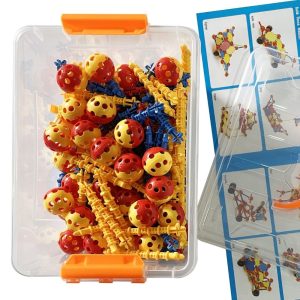
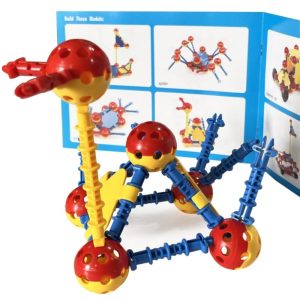
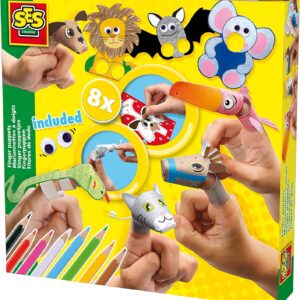
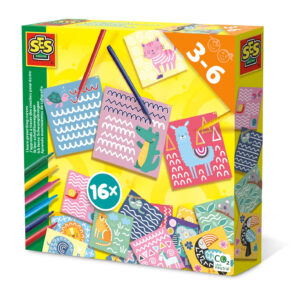
There are many activities for the early childhood development stage to promote fine motor skills, for example : building and playing with blocks and construction toys , cutting , threading, lacing, pegboard activities, creating with playdough / clay , finger and brush painting , colouring.
Children should be given every opportunity to practise and develop these activities. Most of these activities are also fun to do, so the child will actually be developing much needed skills without feeling tons of pressure.
The development of fine motor skills is not only limited to young children. Older people also find that their fine motor skills abilities decline with age. This in turn makes it difficult for them to perform simple everyday tasks. Many of the fine motor skills activities that are used for the early childhood development phase can also be incorporated into assisting older people as well.
The development of good strong fine motor skills is an important aspect of development and as such it should not be ignored but rather it should be given the required time and attention that it deserves.