






CREATIVE ACTIVITIES
Painting , colouring and drawing represents a child’s first efforts to communicate with others through a medium other then the spoken word. When children participate in regular creative activities , they naturally develop and grow creatively. Creative growth also has an influence on a child’s overall development.
Young children do not always have the language, communication and emotional skills to express their thoughts, feelings, ideas or concerns clearly. Creative art activities give these children the medium through which they can express their inner and outer worlds.
Creative art activities also provide children with a vehicle through which they might be able to process difficulties or issues in their lives which they have little control over. Their creativity serves as a form of therapy where they can express their concerns and emotions. It also helps to build their self esteem by giving them experiences of success, accomplishment and joy.
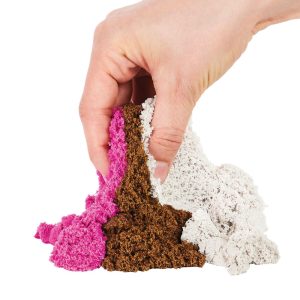
Creative activities often require the child to to make small precise movements eg mixing paint, cleaning brushes, cutting, sticking, manipulating playdough. These fine precise movements help to build and strengthen the child’s fine motor skills.
In many instances, creative activities often happen in a group scenario. When this happens, children are required to co-operate with each other, take turns, share etc. These are important social skills that will assist children to relate more easily with friends in other social situations as well.
When children engage in creative art activities , they use and build their thinking skills. They also need to sharpen their observation skills, solve problems, make decisions , test ideas and discover results among other things.
Children should be allowed the freedom to express themselves in their own way. This freedom of expression is what makes creative activities so meaningful and enjoyable to children. Whenever possible, provide them with as many mediums and tools as possible so that they have a good range to choose from as their creative juices start flowing.
BE FREE, CREATE AND HAVE FUN!